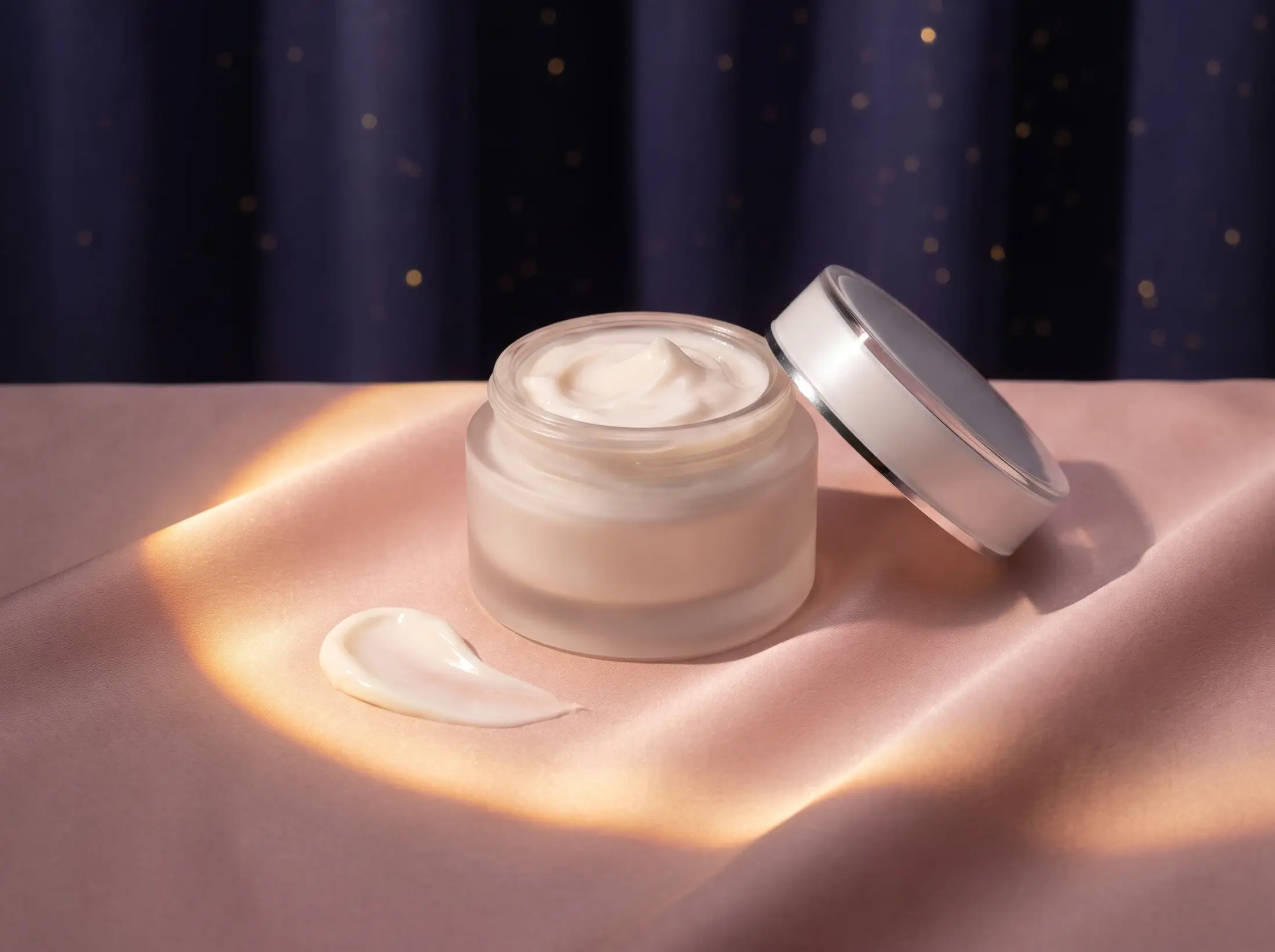


A night routine has a calm that a rushed morning rarely matches — it's unhurried, a little ritual, and entirely yours. At Stellar, we've long believed that the best routines aren't the longest. They're the ones that feel easy enough to keep, night after night. Here's our complete guide to layering serums and creams so each step can do its quiet work while you sleep.
Step 1: Start with a Clean, Calm Canvas
The secret to a routine that works isn't more products — it's the right order. Begin with a gentle cleanser that lifts the day without stripping your skin: a cream or gel texture, massaged in for a full minute, then rinsed with lukewarm water. If you wear sunscreen or makeup, cleanse twice — an oil or balm first, then your usual cleanser.
Pat your face dry with a soft towel rather than rubbing. Slightly damp skin takes the next steps more evenly, so there's no need to wait long before you move on.
Step 2: Prepare Your Skin with a Light Essence
Before you reach for a single serum, give your skin a drink. A watery essence or hydrating toner, pressed in with your palms, softens the surface and helps everything after it spread further. Choose one with simple, soothing ingredients: hyaluronic acid, panthenol or a touch of niacinamide will suit most skin far better than anything heavily fragranced. Use your hands rather than a cotton pad — less product is wasted, and the warmth of your palms helps it settle in.
"The best routine is the one you can do half asleep — your skin rewards the habit, not the hurry."
Step 3: Layer Serums from Thinnest to Richest
Apply your serums in order of texture, lightest first. Water-light serums go on before anything with a little slip or oil in it. Two or three drops are enough for the whole face; warm them between your fingertips and press them in, starting at the centre and working outwards. Give each layer thirty seconds or so to settle before the next one. If you use a retinoid, keep it to this step on its own nights, and start slowly — two or three evenings a week is plenty to begin.
Step 4: Treat Only Where You Need To
Targeted treatments come next, and they work best used sparingly. A dark-spot or brightening serum belongs on the areas that need it, not spread across the whole face. Keep active ingredients away from the corners of your nose, the lips and the delicate skin under your eyes. Leave a little breathing room between strong actives on the same night — a vitamin C on alternate evenings to your retinoid keeps skin comfortable. If anything stings, rinse it off and pare the routine back.
Step 5: Seal Everything In with a Night Cream
Now the real comfort begins. Smooth a nourishing night cream over everything you've layered, finishing with a gentle press of the palms rather than rubbing. A richer texture overnight helps hold in the water you've given your skin and softens it by morning. Don't forget your neck and the backs of your hands. On drier nights, a few drops of facial oil warmed into the cream add an extra veil without feeling heavy.
Let It Work — and Be Patient
Unlike a quick fix, a good night routine is designed to show results over time. Some changes appear within days — softer, calmer, more even skin in the morning. Others, like brighter tone and smoother texture, take several weeks of steady use. Embrace the slower pace. In our experience, the routines that last are the simple ones you actually enjoy coming back to.
Keep your products in a cool, dark spot, close lids firmly after each use, and change your pillowcase twice a week. With this care, most serums and creams will stay fresh until their open-by dates.