
Skin texture is the easiest result in this field to exaggerate. Change the light, the angle or the distance by a small margin and the same face can look transformed or untouched.
That is why we never assess texture from phone photographs or from the mirror in a treatment room. Overhead light flattens pores and fine lines; a low side light throws every irregularity into relief. Most before-and-after images you see online are, knowingly or not, a comparison of two lighting setups rather than two skin conditions.
The same room, every time
Every texture patient is photographed in the same room, on the same stool, with the camera locked at a fixed distance and three fixed light positions: flat, forty-five degrees and raking. We capture at the same point in each treatment cycle, with the skin clean and bare, so the only variable left in the image is the skin itself.
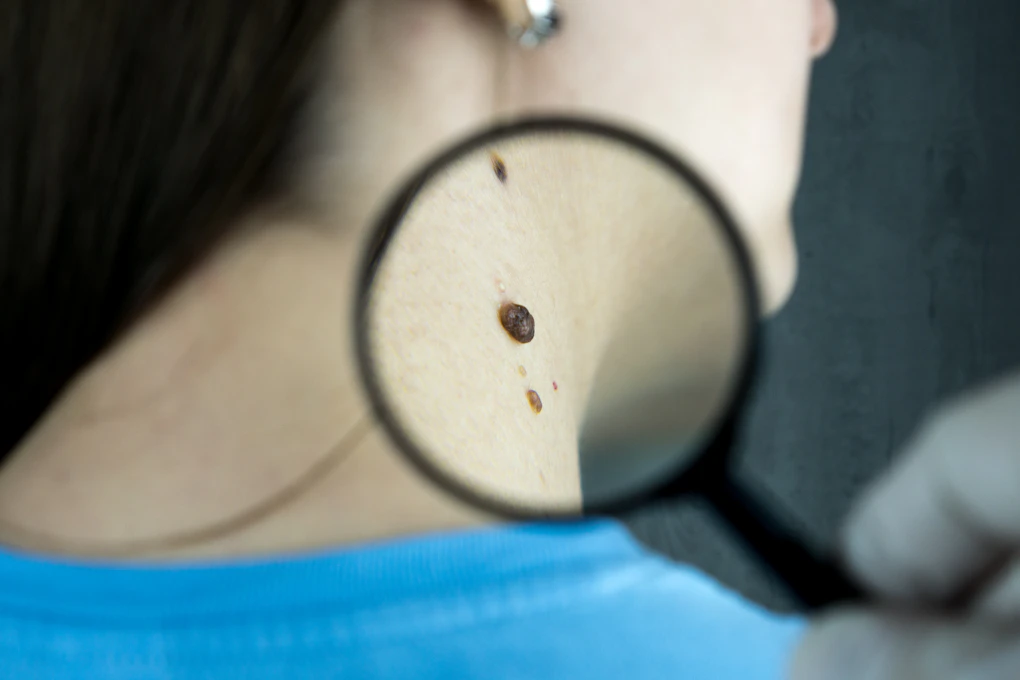
Close examination under consistent light is the only honest baseline for a texture programme.
What the camera sees that the mirror cannot
Standardised images show change that patients often miss, and occasionally they show no change where a patient feels certain there has been one. Both matter. They let us adjust a programme at week eight instead of month six, and they keep us honest about which treatments are earning their place.
If a result only appears in flattering light, it is not a result. It is a photograph.
Texture improves slowly, which makes it vulnerable to impatience on both sides of the consultation table. Honest imaging is how we protect the plan from that impatience, and how our patients know that what they are seeing is real.
