
The first two weeks after facial surgery are the part of the process patients think about most, and the part that is usually described least honestly.
Recovery is not a straight line. Swelling peaks around day three, not day one. Bruising moves downward with gravity and can look worse at day five than on the morning after surgery. Numbness, tightness and an uneven appearance are all expected, and none of them is a guide to the final result. Knowing this in advance removes most of the anxiety we hear in follow-up calls.
Days one to seven
The first week is about rest and protection. Keep the head elevated, including during sleep, and use cold compresses in short intervals for the first seventy-two hours. Light walking is encouraged from day one; bending, lifting and exercise are not. Dressings and sutures are reviewed at the one-week appointment, and most patients are surprised by how much has settled by then.
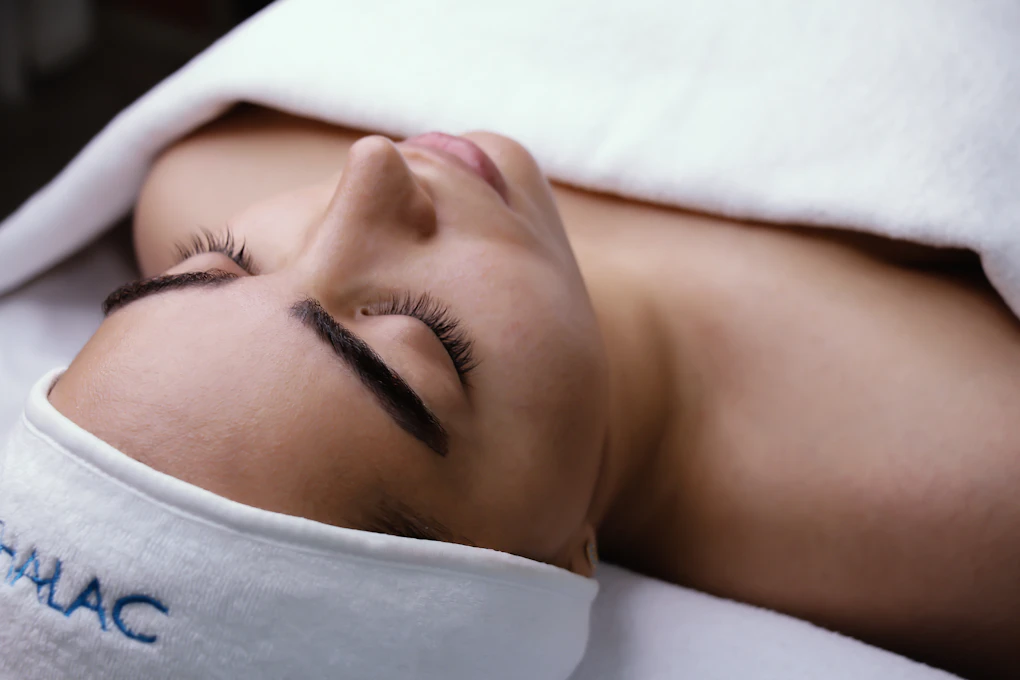
Rest, elevation and a quiet environment matter more in the first week than any product.
Days eight to fourteen
The second week is when patients begin to feel like themselves again, and the temptation to do too much arrives with it. Most can return to desk work around day ten, and make-up can usually be worn once incisions have closed. Exercise, saunas and long-haul flights stay off the list until they are cleared at the two-week review.
Day five is often the lowest point. By day twelve, most patients have forgotten how it felt.
Every surgical patient leaves with a printed day-by-day guide and a direct line to our nursing team for the first fortnight. The questions are rarely emergencies, but answering them quickly is what makes those fourteen days feel manageable.
