When the first cold evening arrives, the kitchen changes gear. The grill cools, the big cast-iron pots come down from the top shelf, and for the next five months half our menu is cooked slowly in a low oven.
Why braise in autumn
Braising turns tough, inexpensive cuts into something soft and deeply flavoured. It suits the season because the produce suits it: onions, carrots, celeriac and squash all hold up to long cooking and sweeten as they go.
It is also forgiving. A braise does not need to be watched. Once the pot is in the oven you have three hours to bake bread, lay the table and open a bottle.
Choosing the cut
Look for cuts from the hardest-working parts of the animal: shoulder, shin, cheek, short rib, oxtail. They are rich in connective tissue, which melts into gelatin over long cooking and gives the sauce its body.
Buy on the bone where you can. Bones add flavour and help the meat keep its shape. Ask your butcher for pieces of roughly equal size so everything is ready at the same time.
Building the base
Season the meat the night before. Brown it hard in batches, then lift it out and soften the vegetables in the same fat. Deglaze with wine and scrape up every brown bit from the bottom of the pan. Our house base for short rib uses:
- 2 onions, 2 carrots and 2 celery sticks, diced
- 1 head of garlic, halved across the middle
- 2 tablespoons tomato paste, cooked until brick red
- 1 bottle of dry red wine, reduced by half
- Beef stock to come two-thirds up the meat
- Thyme, bay and a strip of orange peel
Low and slow
Cover the pot with a lid or a sheet of parchment pressed onto the surface and cook at 150°C (300°F). Short rib takes around three hours, lamb shoulder closer to four. It is ready when a fork slides in with no resistance.
Resist the urge to turn up the heat. A hard boil tightens the meat and clouds the sauce. You want the lazy bubble of a pot that is barely moving.
Bread for the table
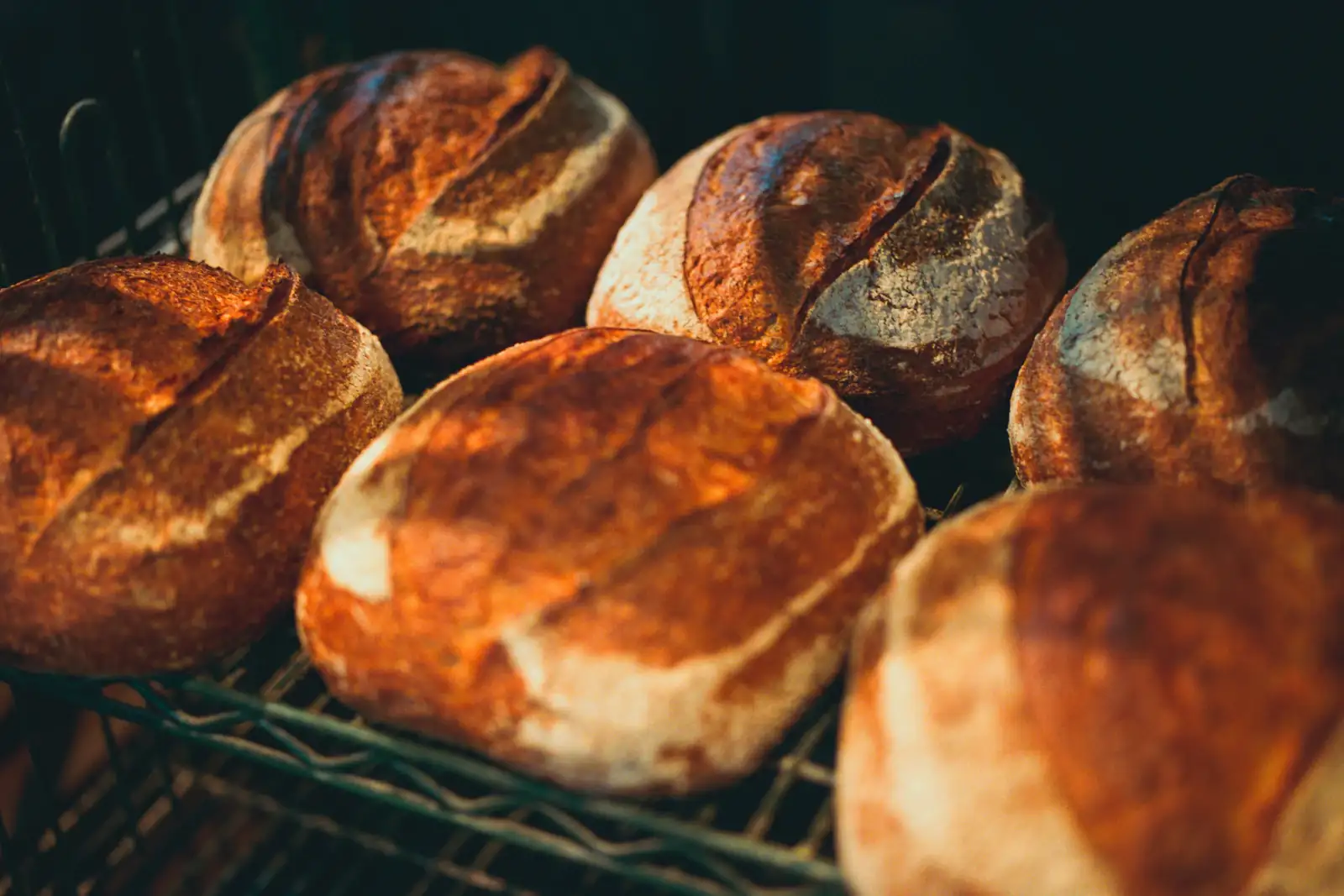
A braise needs something to mop up the sauce. We bake sourdough every morning and tear it at the table rather than slicing it, so every piece has a rough edge to catch the gravy.
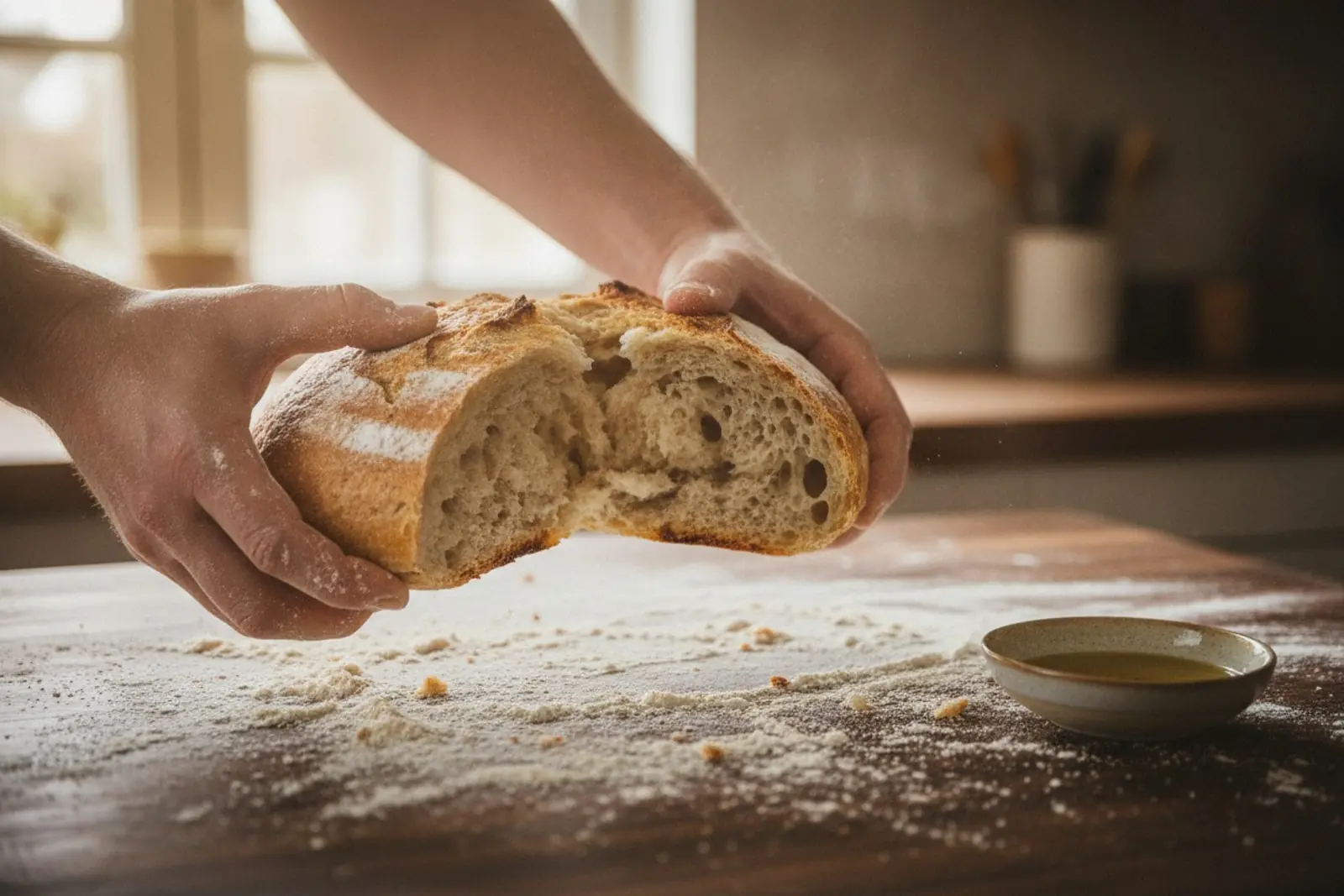
Tear, don't slice. The rough crumb holds more sauce.
No time to bake? Buy a good country loaf, warm it in the oven for ten minutes while the braise rests, and serve it with olive oil and flaky salt.
Resting and serving
Let the pot rest for twenty minutes with the lid on. Lift out the meat, skim the fat from the sauce, then reduce it on the stove until it coats the back of a spoon.
Better still, make it a day ahead. Chilled overnight, the fat sets on top and lifts off in one piece, and the flavour deepens. Reheat gently and serve with mash, polenta or simply that torn bread.