Case study · 2023
Acne Scar
Resurfacing
Patient
J.M., 29
Discipline
Skin programme
Duration
9 months
A layered resurfacing course that softened deep scarring without the downtime the patient could not afford.

01
The challenge
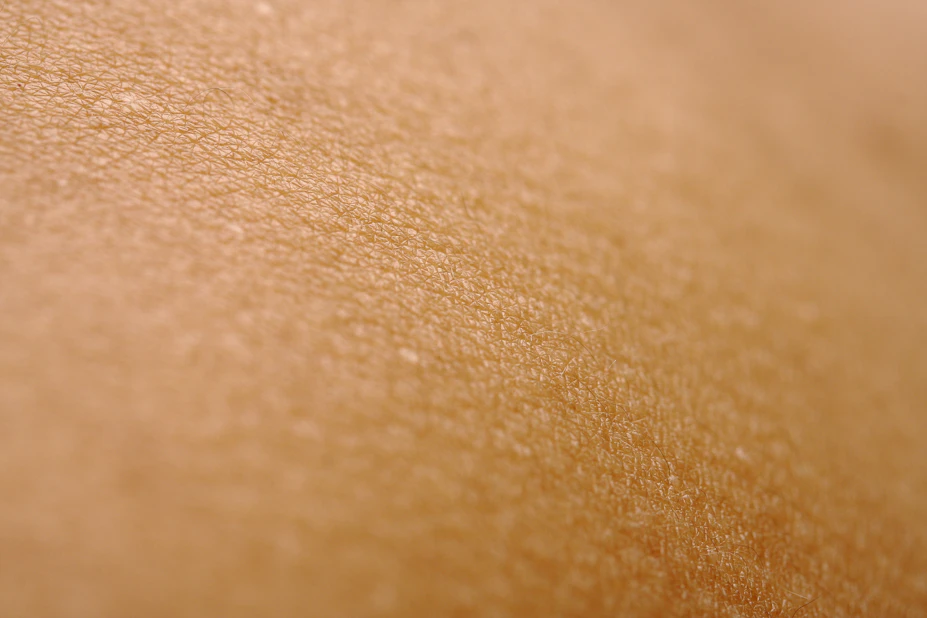
The patient had lived with scarring from adolescent acne for more than a decade. Two courses of aggressive ablative laser elsewhere had left pigmentation across both cheeks, while the rolling and boxcar scars underneath were largely unchanged.
She ran her own practice and could never step away from clients for more than a weekend. That ruled out a single deep treatment and pointed us toward something slower, gentler and cumulative. Consistency would matter more than intensity.
02
The approach
We treated the pigment before the texture. Three phases across nine months, each one
planned around a two-day recovery window the patient could genuinely keep.
1
Calm
Eight weeks of barrier repair and pigment control to clear the marks left by earlier laser.
2
Release
Subcision of the deepest rolling scars, freeing the fibrous bands that tethered them down.
3
Resurface
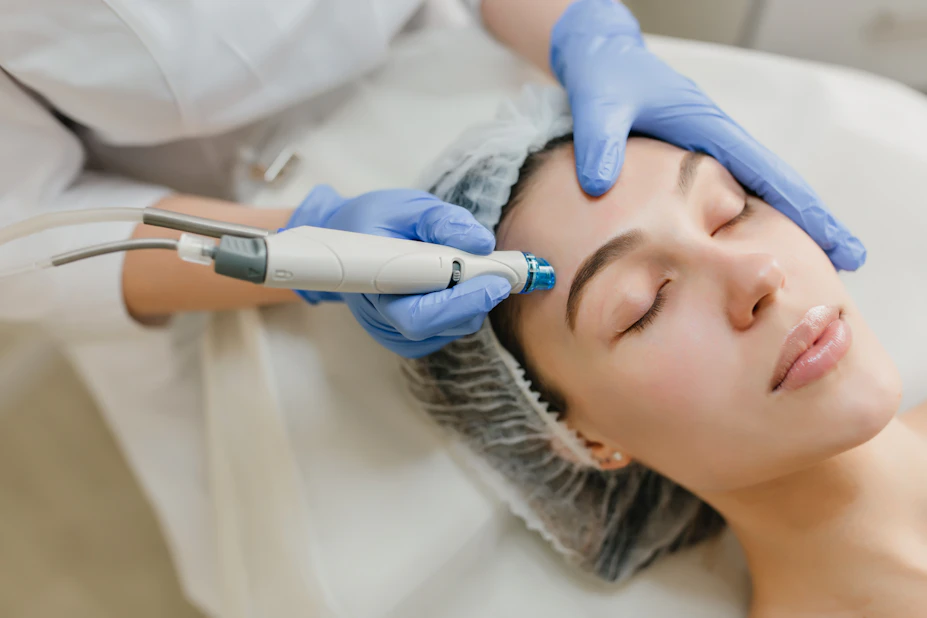
Four fractional sessions at conservative depth, spaced six weeks apart through the cooler months.
03
The result
Measured against fixed-lighting imaging at month nine, visible scar depth
fell by more than half, with no new pigmentation after any session.
Maintenance is now once a year.
-62%
Visible scar depth
2 days
Longest downtime
Pigment flare-ups
For the first time in ten years, I stopped planning the lighting around my skin.

J.M.
Patient, Santa Monica