
Most falls at home happen in three rooms, for reasons you can design out. Very little of it requires building work, and almost none of it needs to look clinical.
Start with light, not handrails
Ageing eyes need roughly three times the light of a younger person to see the same detail, and they adapt to changes in brightness far more slowly. A hallway that is bright at one end and dark at the other is a genuine hazard. Even lighting throughout, motion-activated night lights on the route between bed and bathroom, and a lamp within reach of the bed will do more than any single grab rail.
The bathroom
The stairs and hallway
Rails on both sides, running the full length and past the top and bottom step. Contrast tape or a change of colour on the leading edge of each tread, because depth perception fades before eyesight does. Remove runners and loose rugs entirely; a rug that slides is far more dangerous than a bare floor. Keep the route from bedroom to bathroom completely clear — that is the journey most falls happen on.
“Nine times out of ten the dangerous object is a rug someone has walked over for thirty years.”
Heartwell Home Assessment
The kitchen
Move everything used daily into the band between hip and shoulder height, so nothing needs a stool or a deep bend. Replace the heaviest pans with lighter ones. A kettle tipper, an electric tin opener and a jar gripper cost very little and remove three of the most common points where someone stops cooking for themselves.
Furniture that helps rather than hinders
Chairs need firm seats, arms to push up from, and a height that lets feet sit flat on the floor. A deep soft sofa is where independence quietly disappears. Beds should be high enough to stand up from without a heave. These are the changes people resist most and thank you for later.
Plan for the next change, not just this one
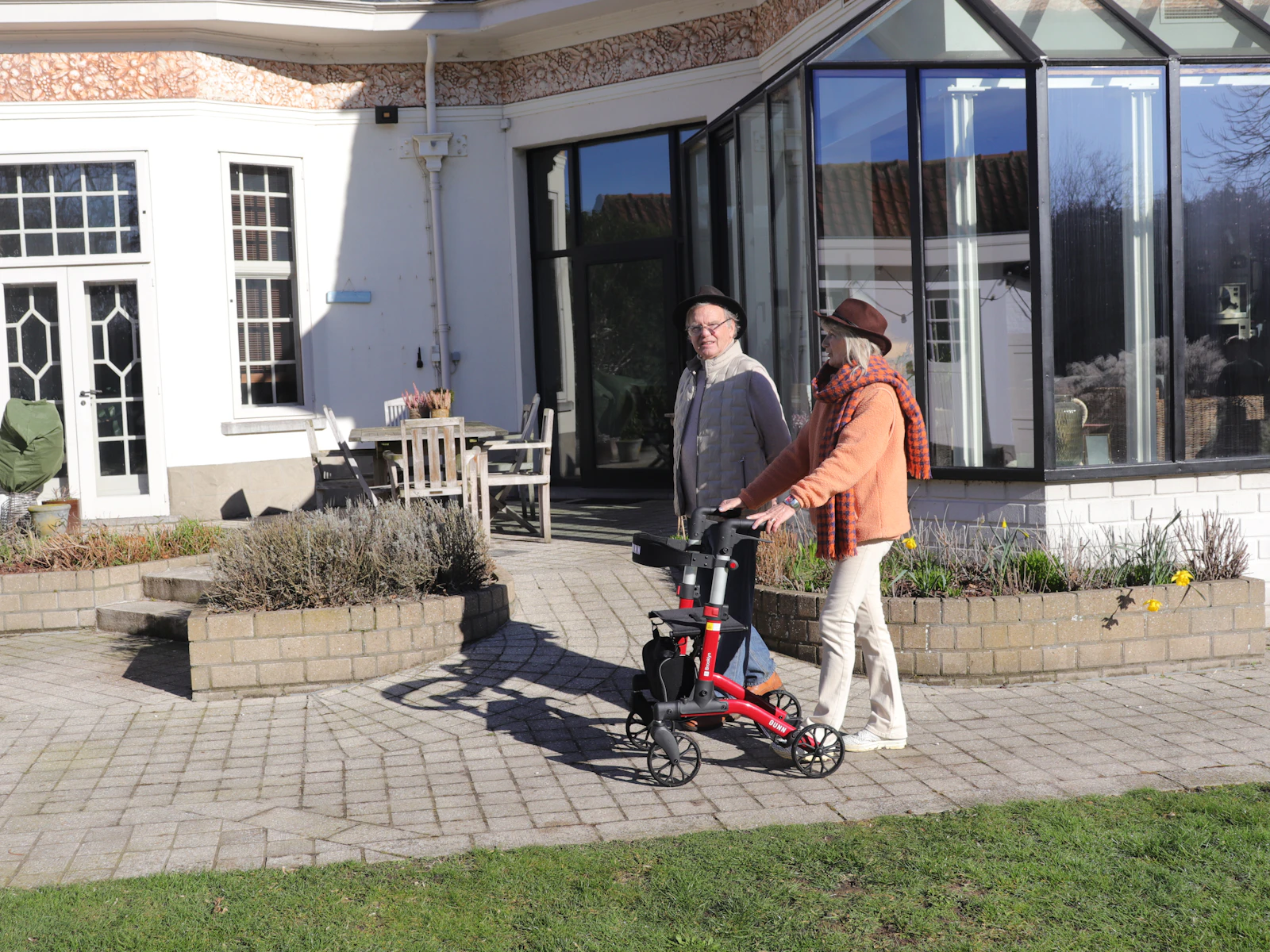
If you are already replacing a floor, choose one that will take a wheeled frame. If you are refitting a bathroom, allow the door to open outward. Building the next stage into the current decision costs almost nothing now and a great deal later.
What to take away
Light the house properly, clear the night route, fix the bathroom before there is an incident, and raise the seating. Our coordinators will walk a home with you and leave a written, prioritised list — most families find the first four items cost less than a weekend away.