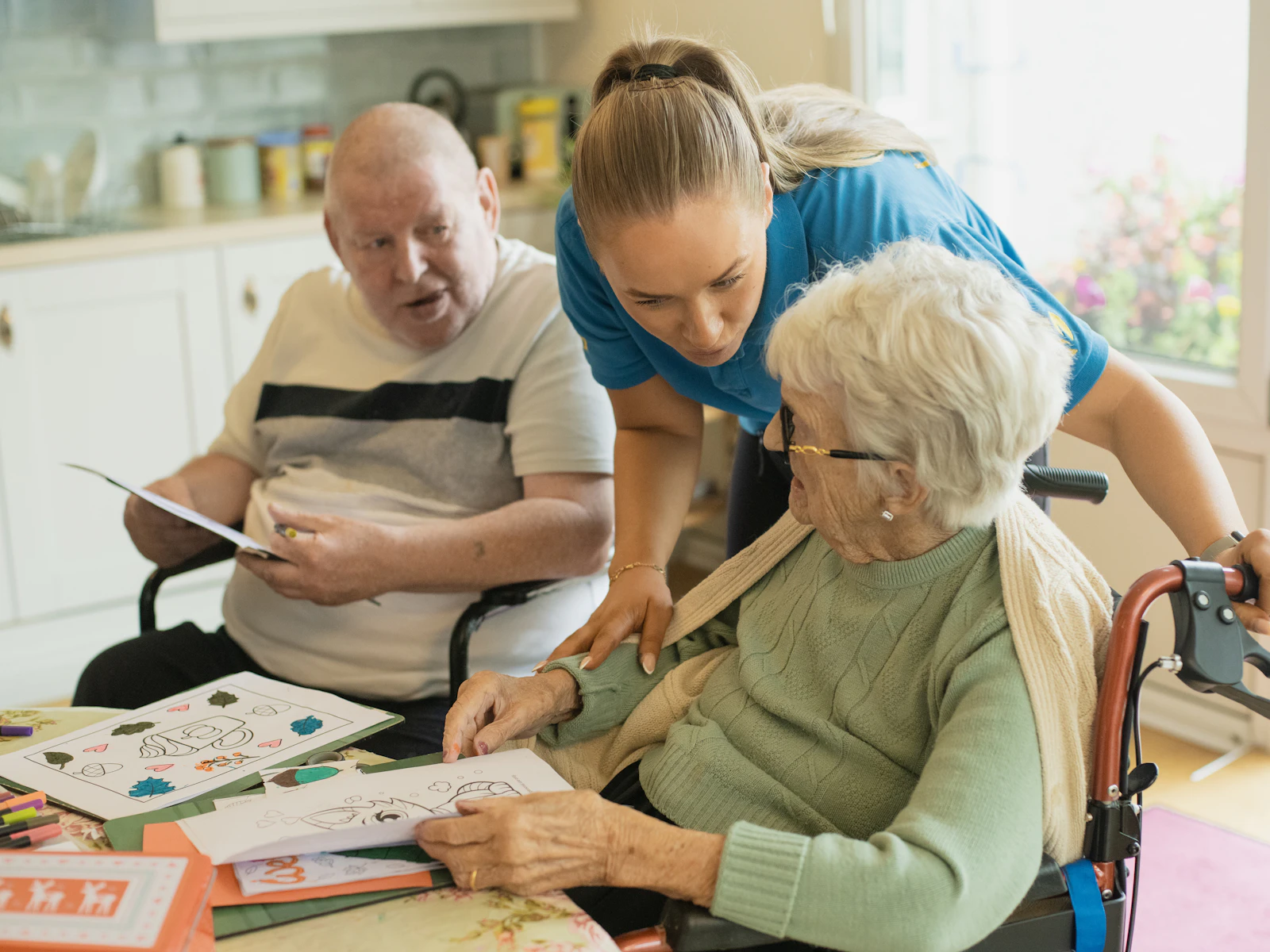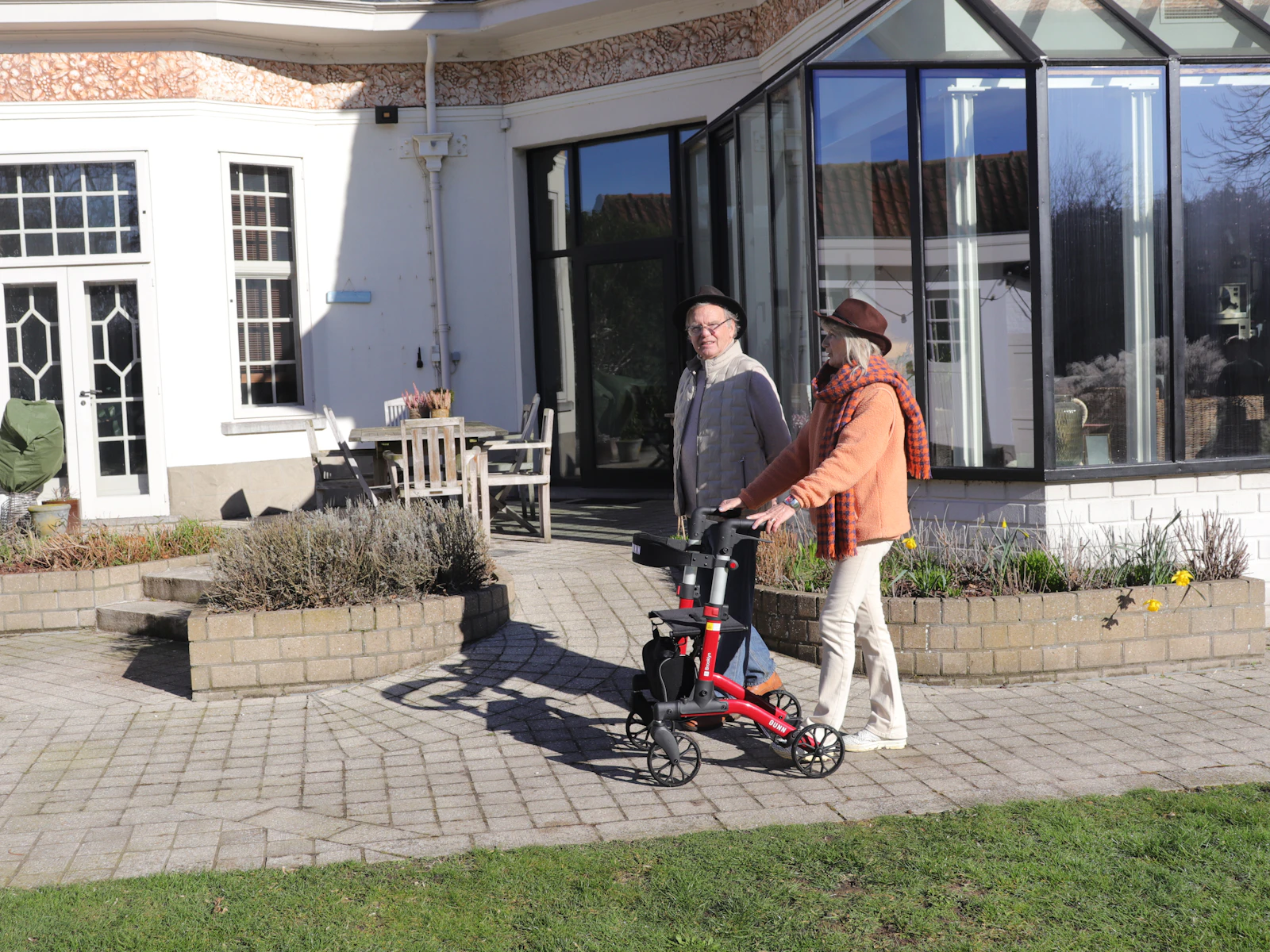

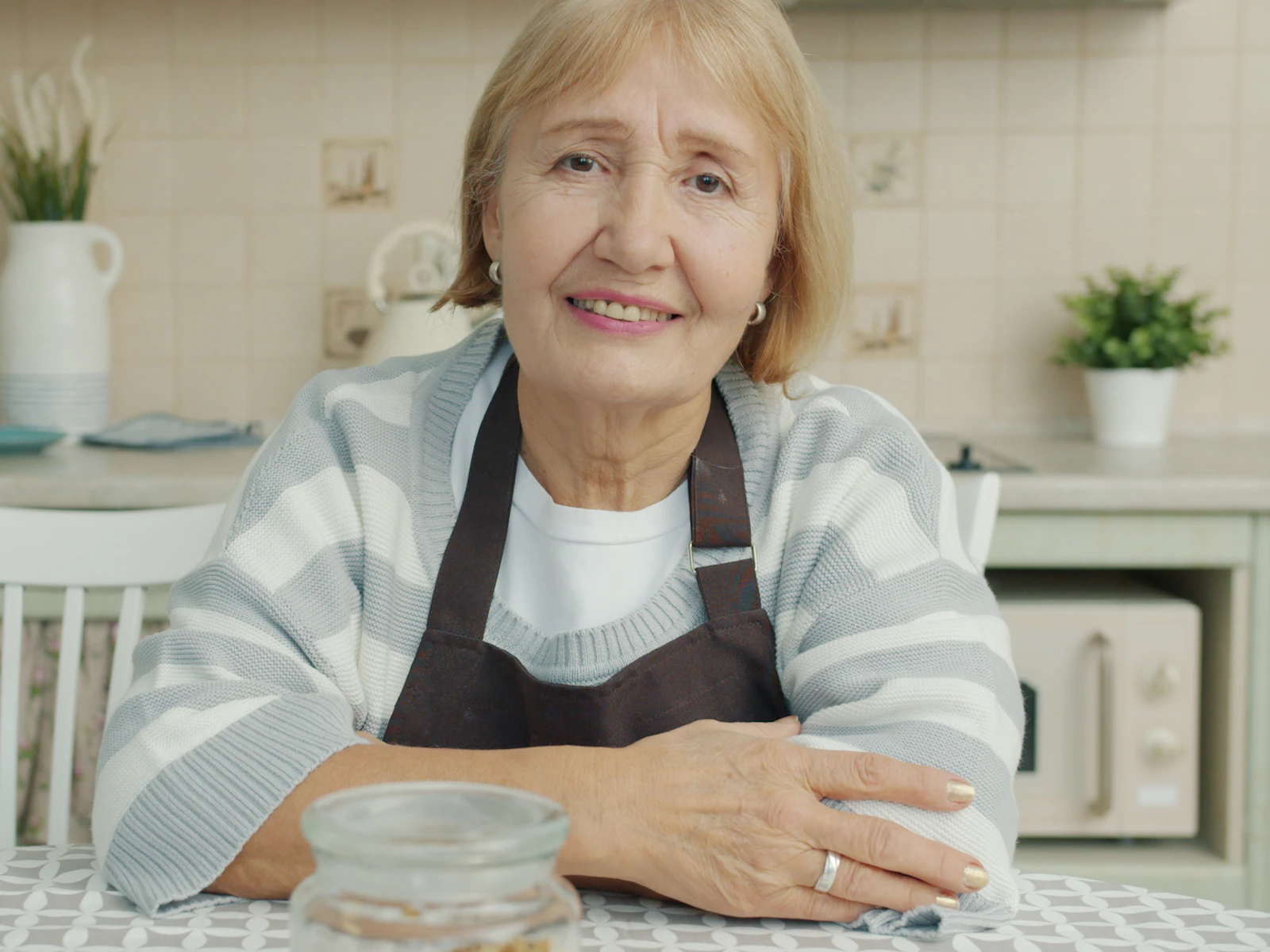
Cognitive wellbeing is not protected by one big intervention. It is protected by the shape of an ordinary Tuesday — when someone wakes, who they speak to, whether the day asks anything of them. Our care specialists build the same handful of habits into every plan, and they are all small enough to start this week.
Anchor the day before you fill it
A predictable wake time, meal time and bedtime does more for memory than any single activity. The ageing brain consolidates memory during deep sleep, and deep sleep is governed by a body clock that drifts when the day has no edges. Families often try to add stimulation first. Start with the anchors instead; the stimulation lands better once the rhythm is steady.
Morning light is the strongest anchor available. Twenty minutes near a window, or on a doorstep with a cup of tea, sets the clock more reliably than any supplement. It costs nothing and it is the habit we protect hardest when a schedule gets busy.
Choose effortful pleasure over passive comfort
Television is comfortable and almost entirely passive. Activities that ask for a small, sustained effort — a card game with rules, a recipe followed from a card, a letter written by hand, a piece of music learned rather than heard — recruit attention, sequencing and working memory together. The word that matters is effortful. It should be slightly hard and still enjoyable.
Protect hearing and vision like cognition
Untreated hearing loss is one of the largest modifiable risk factors for cognitive decline, and it is routinely missed because it looks like inattention. If someone has stopped joining conversations at the dinner table, book the hearing test before you conclude anything about memory. The same applies to cataracts and out-of-date spectacles: a brain starved of clear input has less to work with.
“Half of what families read as memory loss is a person who simply cannot hear the question.”
Marianne Ellis · Director of Care
Movement is the most reliable lever
Aerobic movement raises blood flow to the hippocampus and is the single best-evidenced intervention we have. It does not need to look like exercise. Two short walks are better than one long one, because the second walk is the one that still happens on a difficult day. Balance work — standing on one leg while the kettle boils, sitting to standing without hands — protects the independence that makes everything else possible.
Keep people in the loop of their own life
The fastest way to accelerate decline is to remove every decision from someone. When a person no longer chooses their clothes, their meals or how they spend an afternoon, the skills behind those choices fade quickly. Offer two options rather than an open question, and let the answer stand even when it is not the answer you would have picked.
What to take away
Set the anchors, protect the senses, keep the body moving and leave real decisions in the person's hands. None of these require a specialist to begin, and all of them work better started early. If you would like help turning this into a written daily plan, our coordinators build one with families at no cost.