
Family carers hold on well past the point of sustainability, usually out of love and often out of guilt. Short-term respite is not the end of care at home. In our experience it is the single thing that makes care at home last.
What burnout actually looks like
It rarely arrives as a dramatic collapse. It arrives as a shorter temper, a body that hurts all the time, appointments of your own quietly cancelled, and a slow narrowing of life until nothing exists outside the caring role. Carers are markedly more likely to develop depression, and to skip their own medical care, than the people they look after.
The arithmetic families avoid
A carer who takes a fortnight twice a year can very often continue for years. A carer who takes nothing frequently stops all at once — through their own illness, an injury, or simply reaching the end. That ending is almost always followed by a permanent placement made under pressure, with no time to choose. Respite is not a step toward a care home. It is very often what prevents one.
“The families who use respite early are the ones still managing at home three years later.”
Marianne Ellis · Director of Care
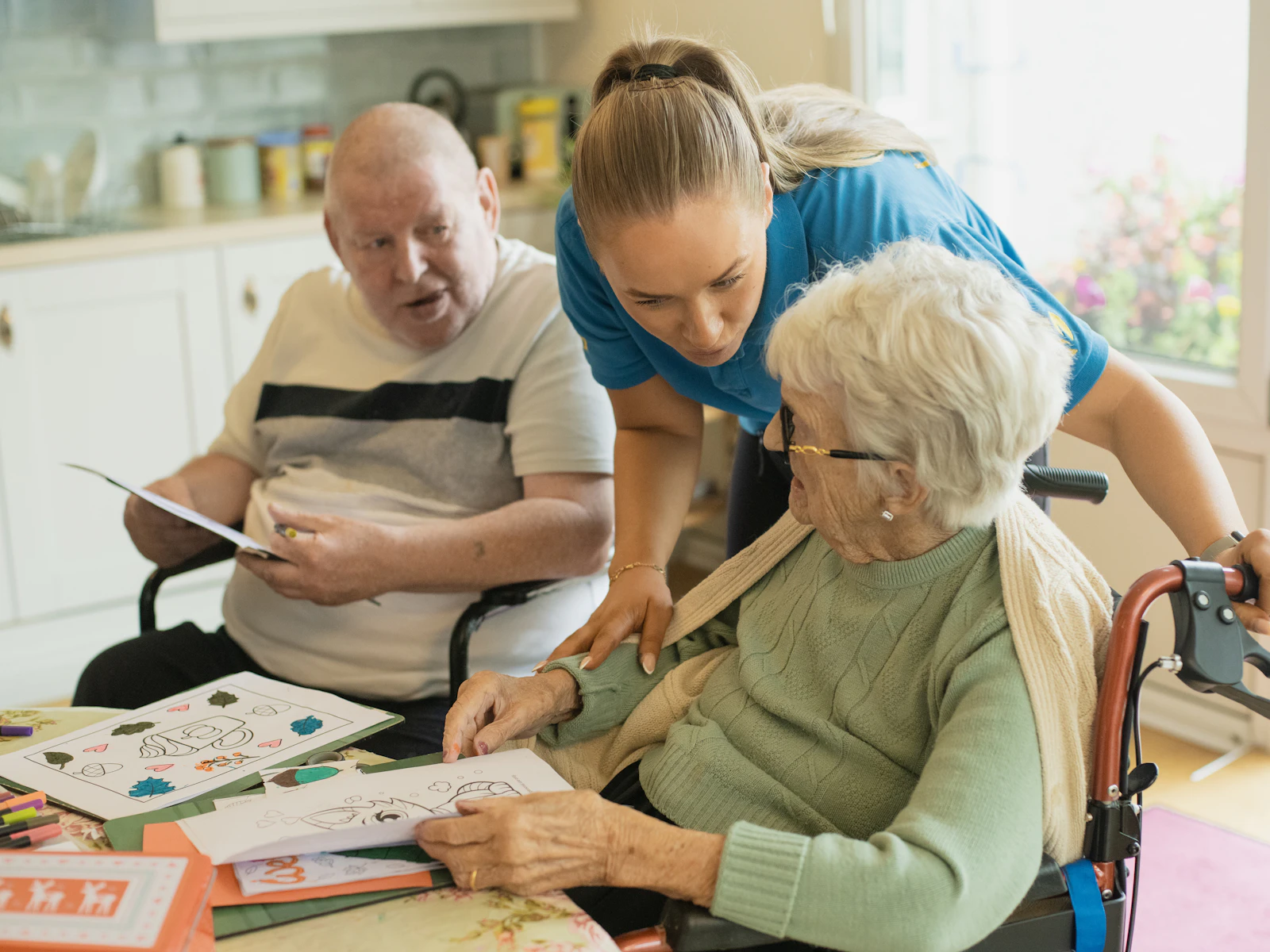
What respite can look like
Handling the guilt honestly
Most carers say a version of the same thing: "she would never have put me in a home." It deserves a straight answer. Respite is not a placement. It is a fortnight. And the alternative to a rested carer is not a devoted carer — it is an exhausted one, which is worse for everyone including the person being cared for. Naming that out loud helps more than reassurance does.
Make the first stay a good one
Book a short trial well before you need it. Send the routine in writing — meals, sleep, music, the things that settle a difficult hour. Visit once beforehand so the place is not unfamiliar on day one. And when the fortnight comes, actually leave. A carer who stays within twenty minutes and calls hourly gets no rest, and the whole point is the rest.
What to take away
Respite is maintenance, not surrender. Book it early, book it regularly, and treat your own health as part of the care plan — because it is. Our coordinators can arrange a trial stay and put an emergency plan on file, so it exists before the day you need it.